
Study Notes · ICT Core Content
Study Notes: ICT Core Content – Impulse Price Swings & Market Protraction
 by Anthony TranUpdated on Aug 12, 2025
- Min read
- 4
- Sections
- 07
Disclaimer: Educational content based on personal experience, not financial advice. Futures trading involves substantial risk. Read full disclaimer
In this article
These are my study notes from ICT Mentorship Core Content – Month 1 – Impulse Price Swings & Market Protraction. I’m documenting them for personal review and to share my trading journey.
Original ICT video: https://www.youtube.com/watch?v=K4LtfujVpJs
If you’ve ever wondered why the market seems to move against you right after you buy or sell, you’re not alone. There’s actually a method to this madness, and understanding it can make you a better trader.
What Are Impulse Price Swings?
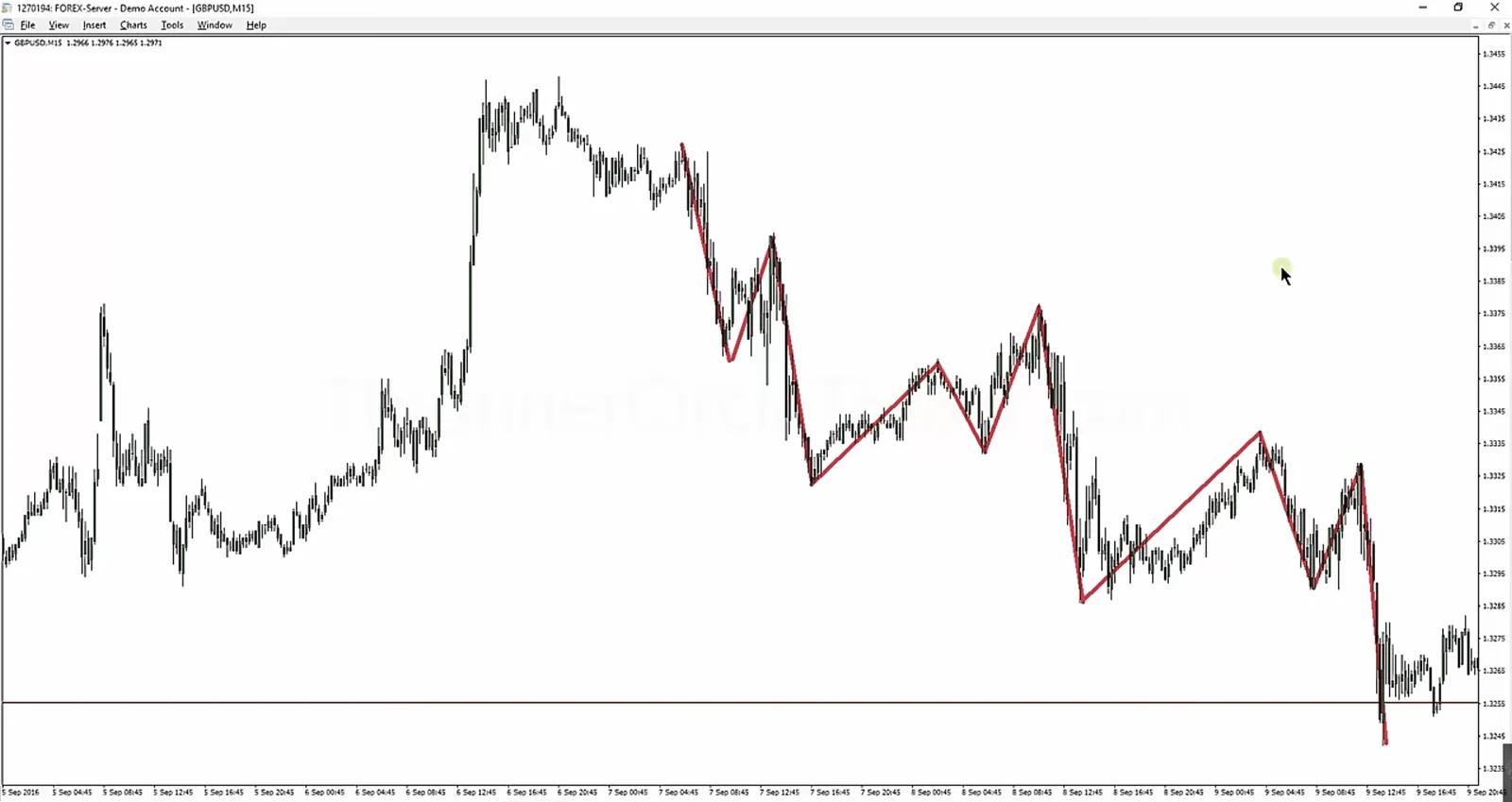
Think of the market like a bouncing ball. It goes up, then down, then up again, then down again. These movements are called impulse price swings.
Picture this: The price moves down from a high point to a low point. Then it bounces back up to another high point. Then it drops again to another low point. This pattern keeps repeating – high to low, low to high, over and over.
These swings happen all the time in the market. But here’s the key: inside these bigger swings, there are smaller movements that can trick you. These smaller movements are where the real money is made or lost.
The Secret: Market Protraction
Now here’s where it gets interesting. Some price swings aren’t what they seem. They’re actually market protraction – fancy words for “market tricks.”
Market protraction is when the market makes a small move in one direction just to fool traders, then quickly reverses and goes the opposite way. It’s like a head fake in basketball.
When Do These Tricks Happen?
The big players (banks, institutions) use these tricks at specific times every day. There are three main times to watch:
1. Midnight New York Time (Asia Session)
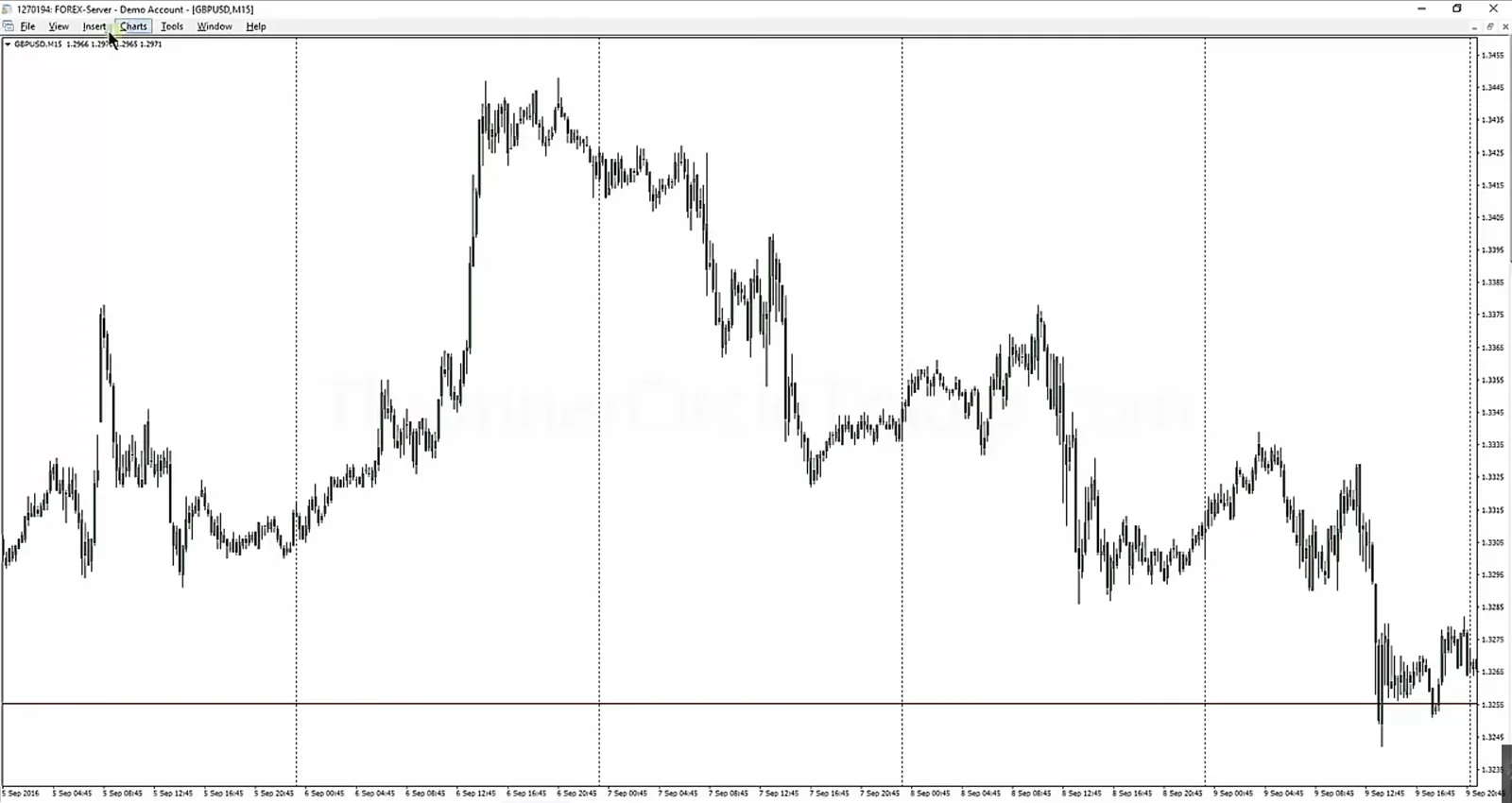
Right at midnight, you’ll often see a small move up or down. This is usually just a setup for what’s coming next.
2. 7 AM New York Time (London Session)
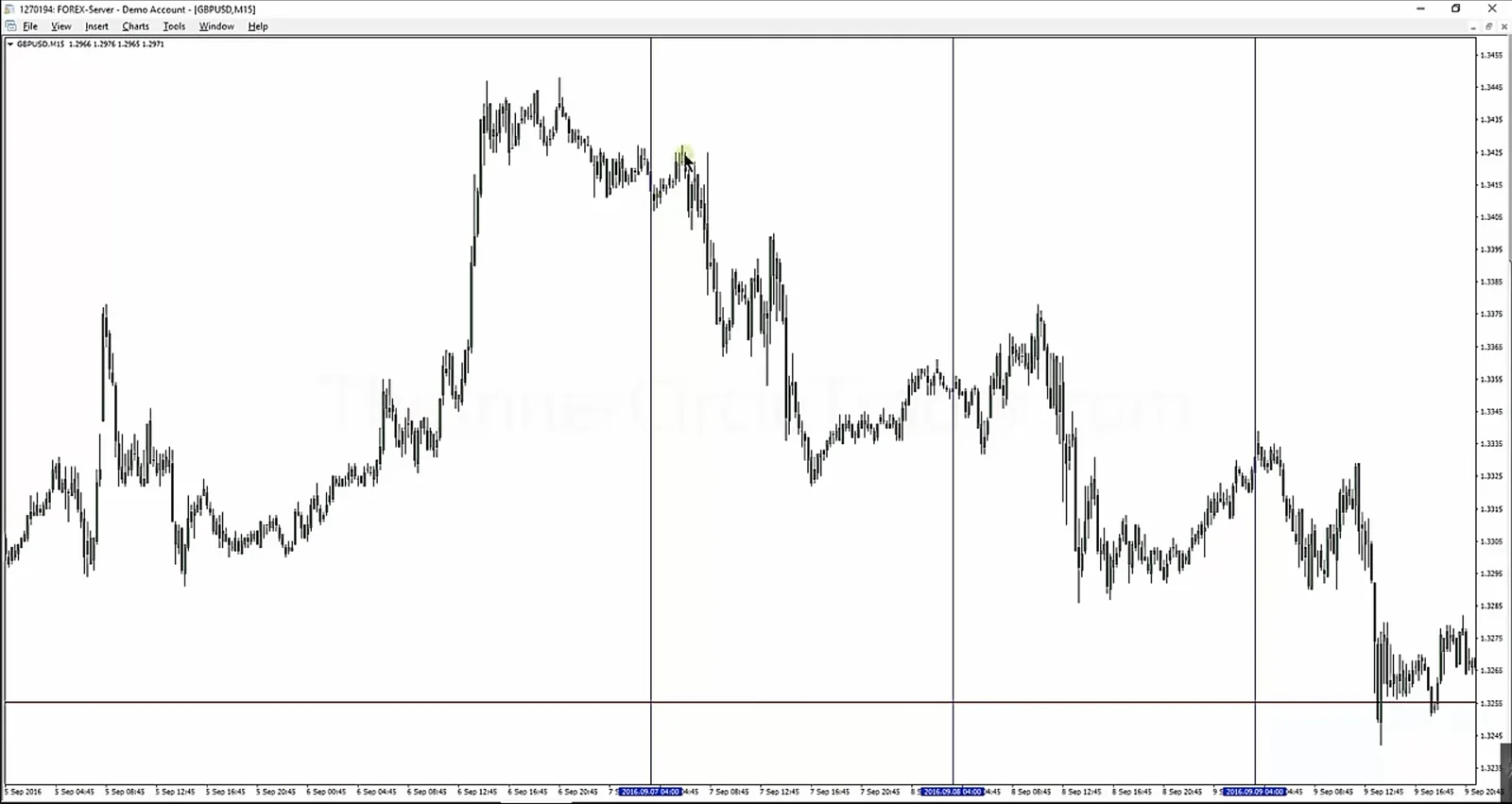
This is a big one. After 7 AM New York time, the market often makes a small move that looks real but is actually fake. If the market has been going down and suddenly bounces up at this time, it’s probably a trap. The real move will likely be back down.
3. 8 PM New York Time (New York Session)
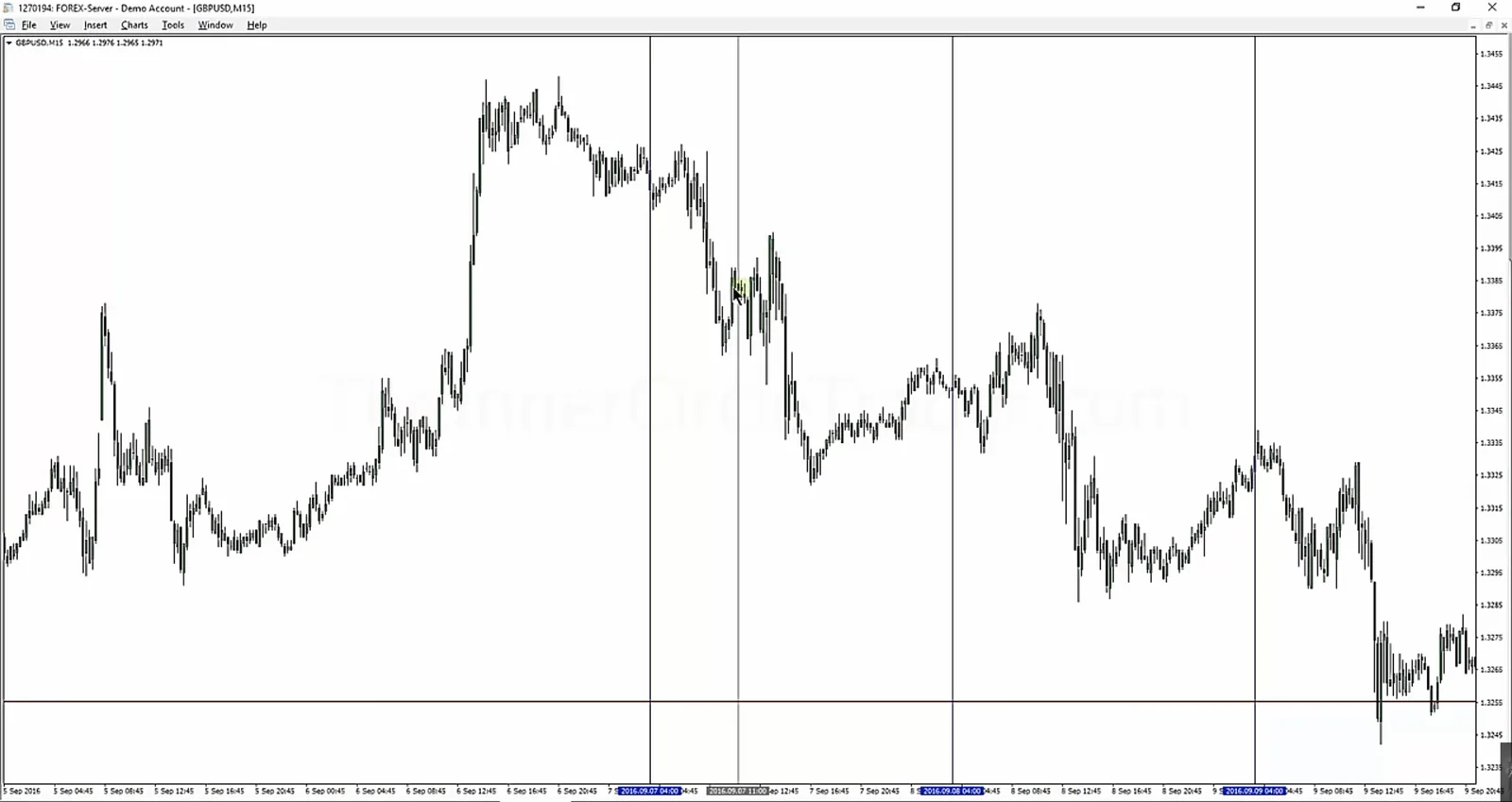
Similar to the 7 AM move, but this happens in the evening.
How the Trap Works
Let’s say the market has been falling all day. Then, right after 7 AM New York time, it starts to go up. New traders see this and think, “Great! The market is turning around. I should buy!”
But experienced traders know this is likely a Judas swing – a fake move designed to trap people. The market makers are actually gathering up all those buy orders, then they’ll push the price back down even harder.
Real Example: How It Plays Out
Imagine the market drops from a high point down to a low point. Then it bounces back up to about 62% of that original drop. At this level, smart traders start selling because they know the market will likely go even lower than the previous low.
Sure enough, the market enters a protraction phase – it tricks some traders into thinking it’s going higher, then it crashes down past the previous low, taking out all the stop losses that were sitting there.
Why This Matters for You
Understanding these patterns helps you:
- Avoid the traps – Don’t chase those early morning moves
- Trade with the smart money – When you see a fake move, prepare for the real move in the opposite direction
- Time your trades better – Know when the market is most likely to trick people
Key Takeaway
The market isn’t random. Big players use specific times and patterns to move prices in their favor. They create small moves that look attractive to trap regular traders, then they reverse course and take their money.
The difference between winning and losing traders is often just knowing when these fake moves are likely to happen. Remember: if it happens right after midnight, 7 AM, or 8 PM New York time, and it goes against the main trend, it’s probably a trap.
Don’t be the trader who gets fooled. Learn to spot these patterns, and you’ll start trading like the professionals instead of being their target.
Disclaimer: Trading involves substantial risk and is not suitable for all investors. Past performance does not guarantee future results. This content is for educational purposes only and should not be considered financial advice. Always consult with a qualified financial advisor before making trading decisions.
Keep reading