
Study Notes · ICT Core Content
Study Notes: ICT Core Content – How Market Makers Condition The Market
 by Anthony TranUpdated on Aug 12, 2025
- Min read
- 5
- Sections
- 13
Disclaimer: Educational content based on personal experience, not financial advice. Futures trading involves substantial risk. Read full disclaimer
In this article
- 01The Big Secret Most Traders Don’t Know
- 02Two Types of Traders in the Market
- 03Why Most Traders Lose Money
- 04The Market Makers’ Game Plan
- 05The Four Stages of Market Movement
- 06Important Rules That Never Break
- 07How This Works in Real Trading
- 08The Daily Pattern You Can Watch
- 09How to Think Like Smart Money
- 10The Computer Behind It All
- 11Why This Knowledge Is Powerful
- 12The Bottom Line
- 13What to Do Next
These are my study notes from ICT Mentorship Core Content – Month 1 – How Market Makers Condition the Market. I’m documenting them for personal review and to share my trading journey.
Original ICT video: https://www.youtube.com/watch?v=XwYYWBttWro
The Big Secret Most Traders Don’t Know
When you first start trading, you think you’re part of a big group that moves prices up and down. You believe that when lots of people buy, prices go up. When lots of people sell, prices go down. This seems logical, right?
But here’s the truth: This is completely wrong.
The markets aren’t controlled by regular traders like you and me. They’re controlled by a small group of big players – mainly banks and institutions. These are called “smart money” or “market makers.”
Two Types of Traders in the Market
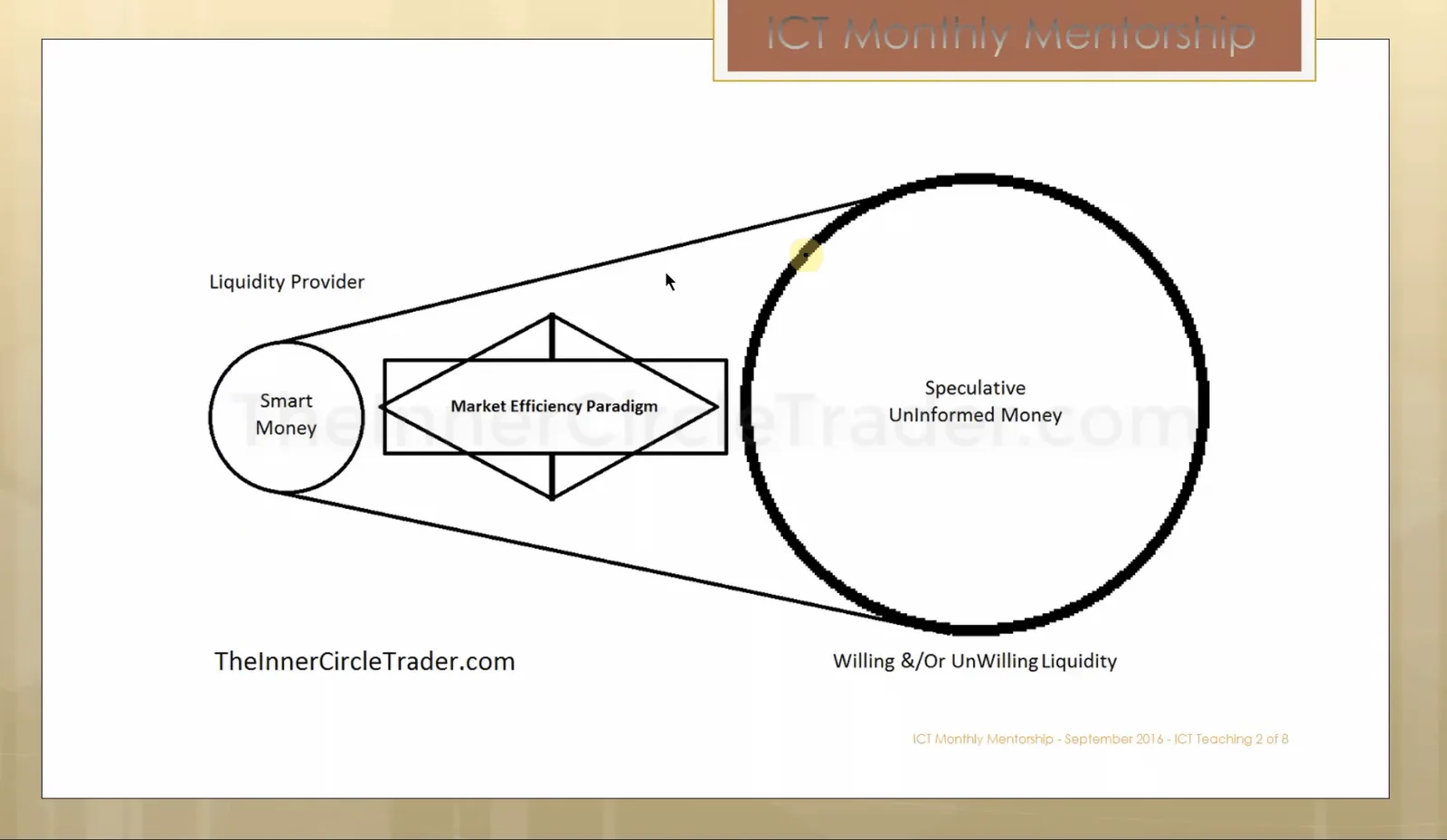
Think of the trading world like this:
The Big Circle: Retail Traders (That’s Most of Us)
- Regular people trading from home
- Small account sizes
- Following indicators and news
- Sharing trades on social media
- Think they control the market because there are so many of them
The Small Circle: Smart Money (Banks and Institutions)
- Big banks and financial institutions
- Huge account sizes
- Don’t show off on social media
- Quietly make billions
- Actually control where prices go
Why Most Traders Lose Money
Here’s what happens to most new traders:
- You think you’re in control – You believe your buying and selling matters
- You follow the crowd – You use the same indicators everyone else uses
- You get trapped – The market seems to move against you personally
- You blame your broker – You think someone is out to get you
Sound familiar? This happens because you don’t understand who really controls the market.
The Market Makers’ Game Plan
Market makers (the banks) have a simple job: Make money from retail traders like you and me.
They do this by:
- Setting traps – Making prices look like they’ll go one way, then reversing
- Running stops – Pushing prices to hit your stop losses
- Creating fake moves – Making false signals to trick you
This isn’t personal. It’s just business for them.
The Four Stages of Market Movement
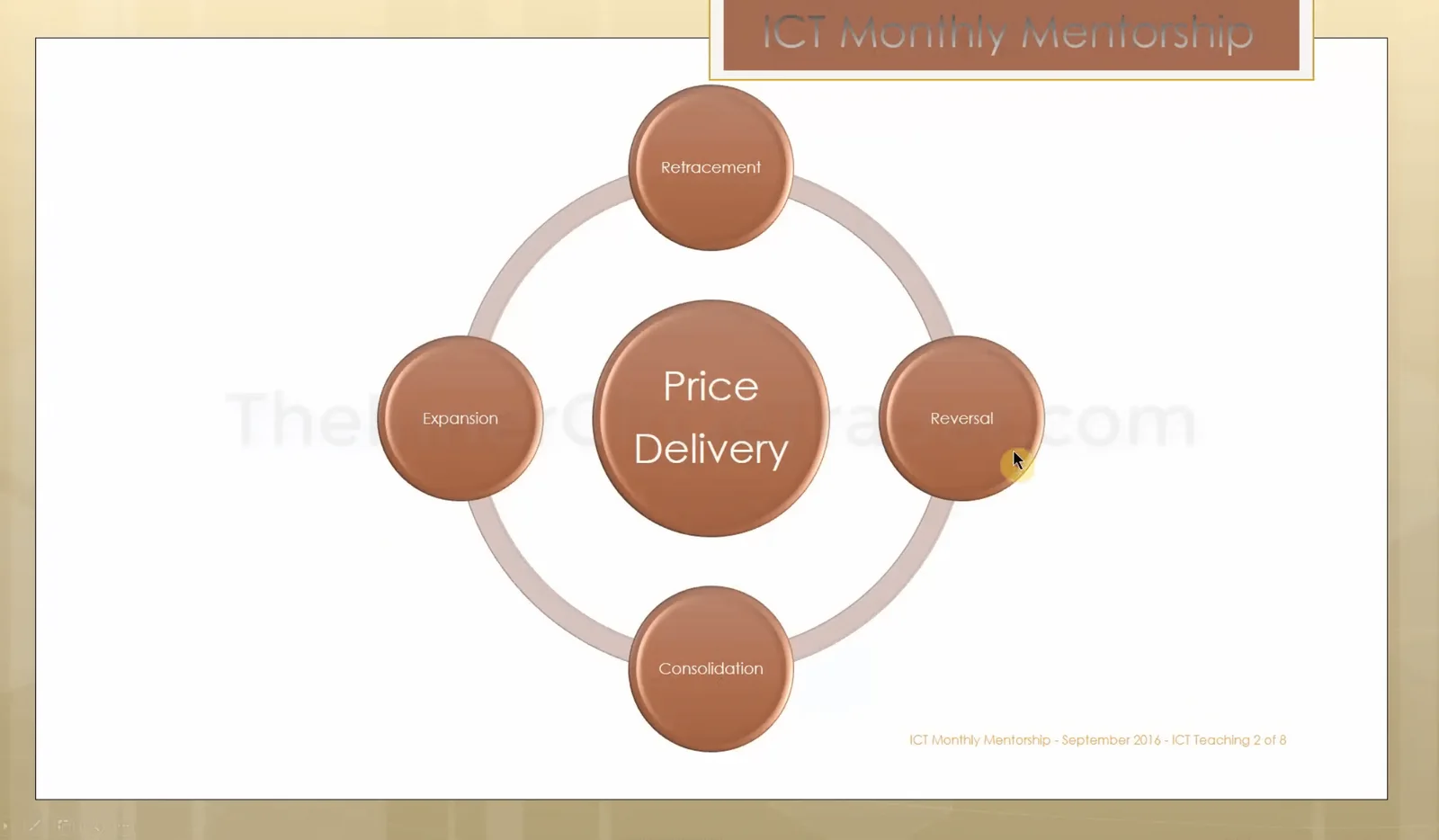
Every market movement follows the same pattern. It’s like a recipe that never changes:
1. Consolidation (The Quiet Time)
- Price moves sideways
- Not much happens
- Orders build up above and below the range
- Think of it like: A spring getting compressed
2. Expansion (The Big Move)
- Price breaks out of the range
- Big movement up or down
- This is the “spring” releasing
- Think of it like: A rubber band snapping
3. Retracement OR Reversal (The Choice)
After expansion, only two things can happen:
- Retracement: Price pulls back a little, then continues the same direction
- Reversal: Price completely changes direction
4. Back to Consolidation
- Price calms down again
- The cycle starts over
Important Rules That Never Break
The market always follows these rules:
❌ Never goes: Consolidation → Retracement (impossible)
❌ Never goes: Consolidation → Reversal (impossible)
✅ Always goes: Consolidation → Expansion → (Retracement OR Reversal)
How This Works in Real Trading
Let’s say you’re watching a currency pair like EUR/USD:
Morning (Asian Session):
- Market is quiet (Consolidation)
- Small range, not much movement
Early London:
- False move happens (Expansion)
- Might drop down to trick sellers
- Then reverses and goes up (Reversal)
New York Session:
- Another big move (Expansion)
- Price consolidates again
- The cycle repeats
The Daily Pattern You Can Watch
Every trading day follows a similar pattern:
- Asia: Quiet consolidation
- London Open: Manipulation move (fake-out)
- London Session: Real direction shows
- New York: More expansion
- London Close: Often reverses
- End of Day: Back to consolidation
How to Think Like Smart Money
To be successful, you need to think like the banks:
Stop Thinking Like Retail:
- “I’ll buy because price is going up”
- “My indicator says to buy”
- “Everyone on Twitter is buying”
Start Thinking Like Smart Money:
- “Where are retail traders getting trapped?”
- “Where are the stop losses?”
- “What would cause the most pain to retail traders?”
The Computer Behind It All
Here’s something important: You’re not trading against a person anymore. You’re trading against a computer program (AI) that:
- Knows human behavior
- Understands fear and greed
- Delivers prices to cause maximum retail losses
- Follows the same patterns every day
Why This Knowledge Is Powerful
Once you understand this system:
- You stop getting surprised by “random” moves
- You can predict what’s likely to happen next
- You align yourself with smart money instead of fighting them
- You trade with the trend, not against it
The Bottom Line
The market isn’t random. It’s not controlled by retail traders. It’s a well-oiled machine run by banks and institutions who have one job: take money from unprepared traders.
But here’s the good news: Once you understand their game, you can play it too.
Instead of being the prey, you can learn to hunt with the predators.
What to Do Next
- Watch the patterns – Look for consolidation, expansion, retracement, and reversal
- Study the daily cycle – Notice how each trading session behaves
- Think like a bank – Ask where retail traders are getting trapped
- Be patient – Don’t rush into trades
- Keep learning – This is just the beginning
Remember: You’re either going to be a lion or a lamb in this market. Lions eat meat. Lambs eat grass and eventually get eaten.
Which one do you want to be?
This article is based on ICT (Inner Circle Trader) concepts. The key is to understand that successful trading isn’t about predicting the market – it’s about understanding how the market makers operate and aligning yourself with their moves.
Disclaimer: Trading involves substantial risk and is not suitable for all investors. Past performance does not guarantee future results. This content is for educational purposes only and should not be considered financial advice. Always consult with a qualified financial advisor before making trading decisions.
Keep reading