
Study Notes · ICT Core Content
Study Notes: ICT Core Content – Fair Valuation
 by Anthony TranUpdated on Aug 12, 2025
- Min read
- 5
- Sections
- 13
Disclaimer: Educational content based on personal experience, not financial advice. Futures trading involves substantial risk. Read full disclaimer
In this article
- 01What is Fair Value in Trading?
- 02Two Types of Fair Value
- 03Understanding Market Zones
- 04What Are Fair Value Gaps?
- 05How Banks Use Fair Value
- 06Real Trading Example
- 07Key Things to Remember
- 08Common Mistakes Beginners Make
- 09How to Spot Fair Value Areas
- 10Simple Trading Rules
- 11Why This Matters
- 12Practice Exercise
- 13Final Thoughts
These are my study notes from ICT Mentorship Core Content – Month 1 – Fair Valuation. I’m documenting them for personal review and to share my trading journey.
Original ICT video: https://www.youtube.com/watch?v=SiVmoeyOWZE
What is Fair Value in Trading?
If you’re new to trading, you might think “fair value” means a good price to buy or sell. But in ICT (Inner Circle Trader) concepts, fair value means something completely different.
Fair value is about understanding where big banks and market makers want to buy and sell. It’s like knowing where the smart money moves before everyone else does.
Two Types of Fair Value
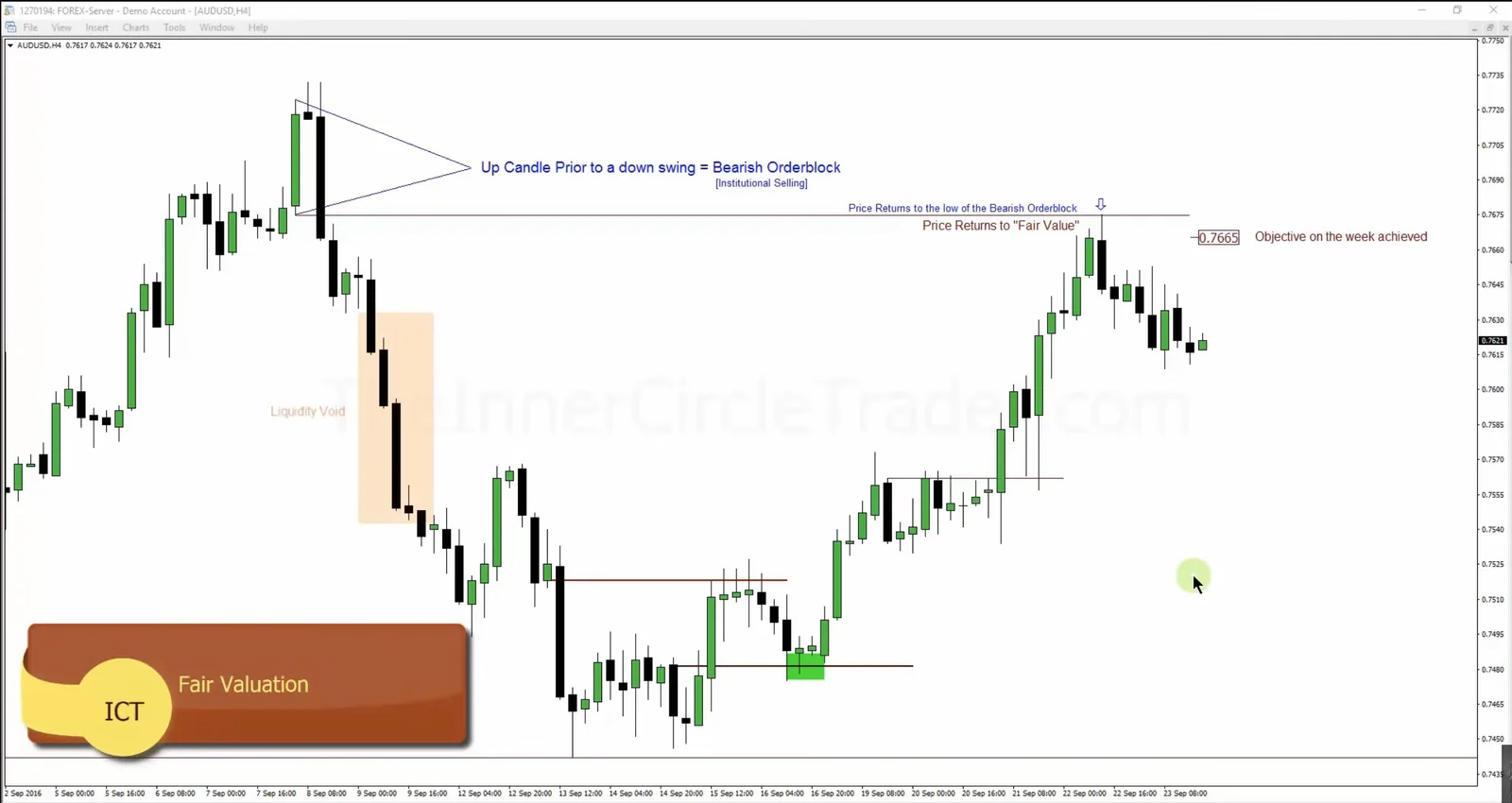
1. Equilibrium Fair Value (The Middle Point)
Think of this like a seesaw. When you have a high price and a low price, the middle point is equilibrium. This is where the market “balances out.”
Example: If a currency pair goes from $1.00 to $1.10, the equilibrium (fair value) is $1.05 – right in the middle.
2. Market Maker Fair Value (Bank’s Perspective)
This is where banks think it’s fair to buy or sell based on their business needs. Banks don’t think like regular traders. They have different goals.
Understanding Market Zones
Discount Zone (Cheap Area)
- This is the bottom third of a price range
- Like buying something on sale
- Smart money likes to BUY here
- Good for going LONG (buying)
Premium Zone (Expensive Area)
- This is the top third of a price range
- Like paying full price at a store
- Smart money likes to SELL here
- Good for going SHORT (selling)
Fair Value Zone (Middle Area)
- This is the middle third
- Where price often returns to
- Banks can buy OR sell here
What Are Fair Value Gaps?
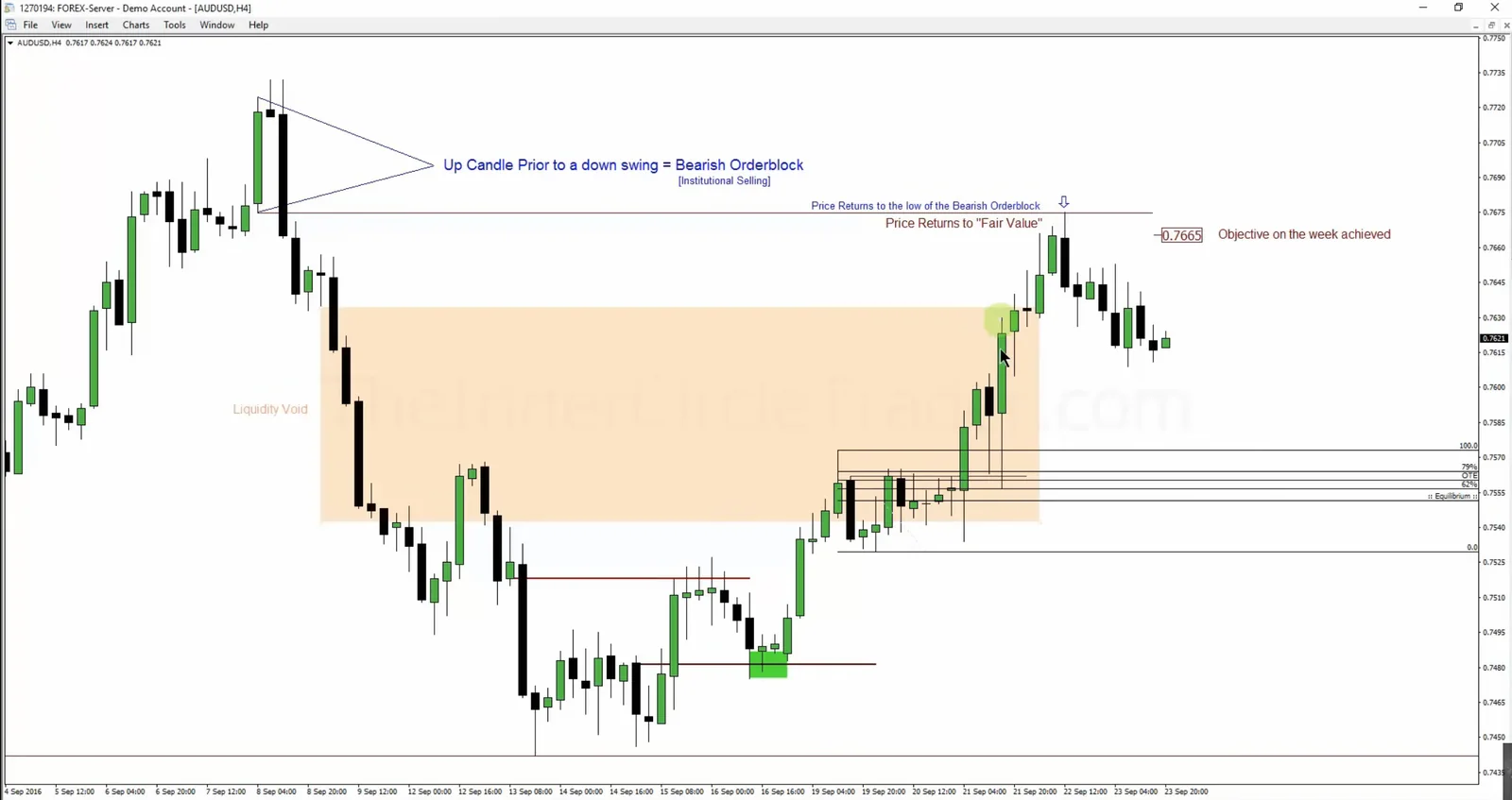
Imagine you’re walking up stairs, but someone removed a few steps. You’d have to jump over the gap to keep going up.
In trading, a Fair Value Gap happens when:
- Price moves very fast (like jumping)
- It skips over price levels (the missing steps)
- Later, price often comes back to “fill the gap”
Signs of a Fair Value Gap:
- Big candles with small wicks
- Fast movement up or down
- Very little trading at those price levels
How Banks Use Fair Value
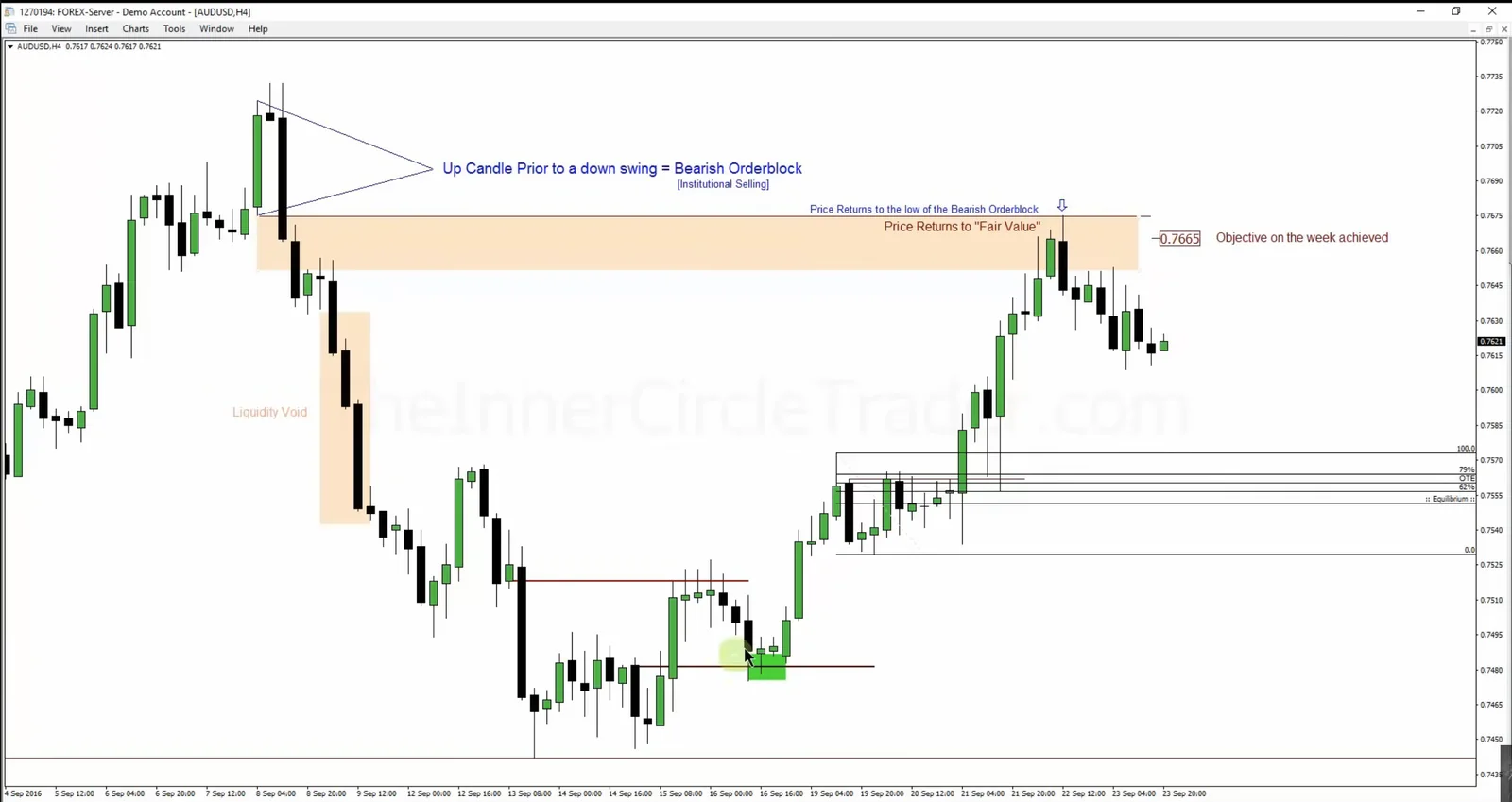
Banks are like smart shoppers. They:
- Buy at Discount – When prices are low (bottom of range)
- Sell at Premium – When prices are high (top of range)
- Wait at Fair Value – When prices are in the middle
Bank Strategy:
- Accumulate (collect) positions when prices are cheap
- Distribute (sell) positions when prices are expensive
- Use fair value gaps as targets to reach
Real Trading Example
Let’s say you’re watching the Australian Dollar:
- Price drops fast – Creates a fair value gap
- Market is now in discount zone – Bottom third of the range
- Banks start buying – They accumulate positions
- Price moves up – Heading toward the fair value gap
- Banks sell – They distribute at higher prices
Key Things to Remember
Think Like a Bank, Not a Regular Trader
- Banks buy when others are scared (discount)
- Banks sell when others are greedy (premium)
- Regular traders often do the opposite
Look for These Patterns
- Fast moves that create gaps
- Price returning to fill those gaps
- Support and resistance at fair value levels
Don’t Chase Price
- If price is running up fast, don’t buy
- If price is dropping fast, don’t sell
- Wait for it to return to fair value
Common Mistakes Beginners Make
- Buying at Premium – Buying when price is already high
- Selling at Discount – Selling when price is already low
- Ignoring Fair Value Gaps – Missing key targets
- Thinking Like Retail – Following the crowd instead of smart money
How to Spot Fair Value Areas
Step 1: Find the Range
- Identify recent high and low points
- Draw lines to mark the range
Step 2: Divide into Thirds
- Bottom third = Discount
- Middle third = Fair Value
- Top third = Premium
Step 3: Look for Gaps
- Find fast moves with big candles
- Mark areas where price moved quickly
- These are future targets
Step 4: Watch for Returns
- Price often comes back to fill gaps
- Banks use these areas to enter/exit trades
Simple Trading Rules
- Buy in Discount Zones – When price is in bottom third
- Sell in Premium Zones – When price is in top third
- Be Careful in Fair Value – Price can go either way
- Target Fair Value Gaps – Price wants to fill these areas
Why This Matters
Understanding fair value helps you:
- See where price wants to go
- Avoid buying high and selling low
- Trade with the smart money, not against it
- Find better entry and exit points
Practice Exercise
Next time you look at a chart:
- Find a recent high and low
- Mark the middle point (equilibrium)
- Divide the range into thirds
- Look for any fast moves that created gaps
- Watch if price returns to fill those gaps
Final Thoughts
Fair value isn’t about what YOU think is fair. It’s about understanding where banks and smart money think it’s fair to trade.
Remember: Banks control the market. They move prices to levels that benefit them. By understanding their perspective, you can make better trading decisions.
Start small, practice on demo accounts, and focus on understanding these concepts before risking real money. The goal is to think like a bank, not like a regular trader.
Key Takeaway: Fair value is where smart money wants to do business. Learn to see the market through their eyes, and you’ll start making better trades.
Disclaimer: Trading involves substantial risk and is not suitable for all investors. Past performance does not guarantee future results. This content is for educational purposes only and should not be considered financial advice. Always consult with a qualified financial advisor before making trading decisions.
Keep reading