
Study Notes · ICT Core Content
Study Notes: ICT Core Content – Equilibrium Vs. Premium
 by Anthony TranUpdated on Aug 12, 2025
- Min read
- 4
- Sections
- 10
Disclaimer: Educational content based on personal experience, not financial advice. Futures trading involves substantial risk. Read full disclaimer
In this article
These are my study notes from ICT Mentorship Core Content – Month 1 – Equilibrium Vs. Premium. I’m documenting them for personal review and to share my trading journey.
Original ICT video: https://www.youtube.com/watch?v=YuefjnUKQdM
What Is a Premium Market?
Think of trading like buying and selling a car. When you want to sell your car, you don’t want to sell it cheap – you want to get a good price for it. In trading, this good price is called a “premium.”
A premium market happens when prices have gone up high within their current range. It’s like when your car’s value is at its peak – that’s the best time to sell it.
The Simple Rule: Sell High, Buy Low
The basic idea is simple:
- Premium = High prices (good time to sell)
- Discount = Low prices (good time to buy)
This lesson focuses on premium markets – when and how to sell at high prices.
How to Spot a Premium Market
Step 1: Find the Range
Every market moves up and down within a range. To find this range:
- Look for a clear high point
- Look for a clear low point
- Draw a line between them
Step 2: Find the Middle (Equilibrium)
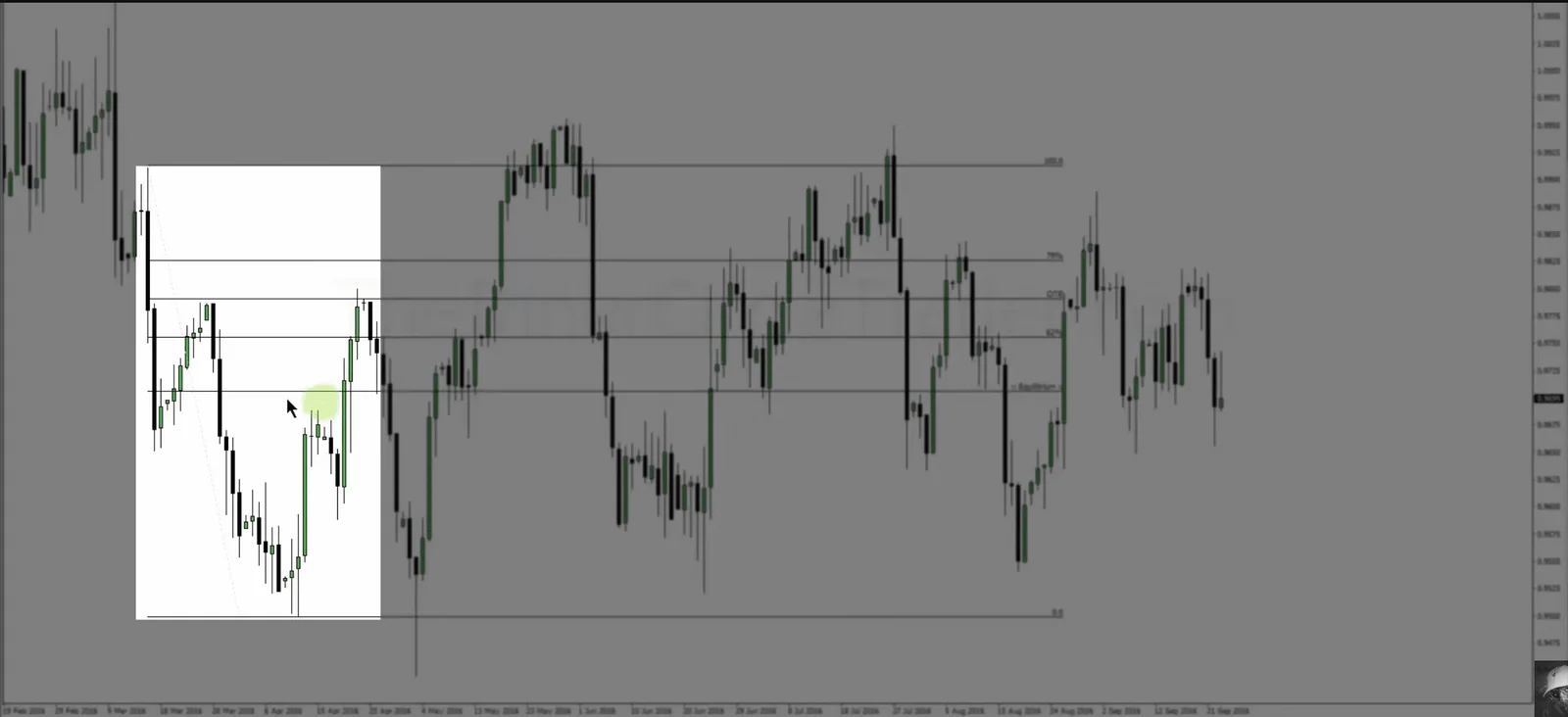
The middle of any range is called “equilibrium.” This is the 50% point between the high and low. Think of it like the middle of a seesaw.
Step 3: Identify Premium Territory
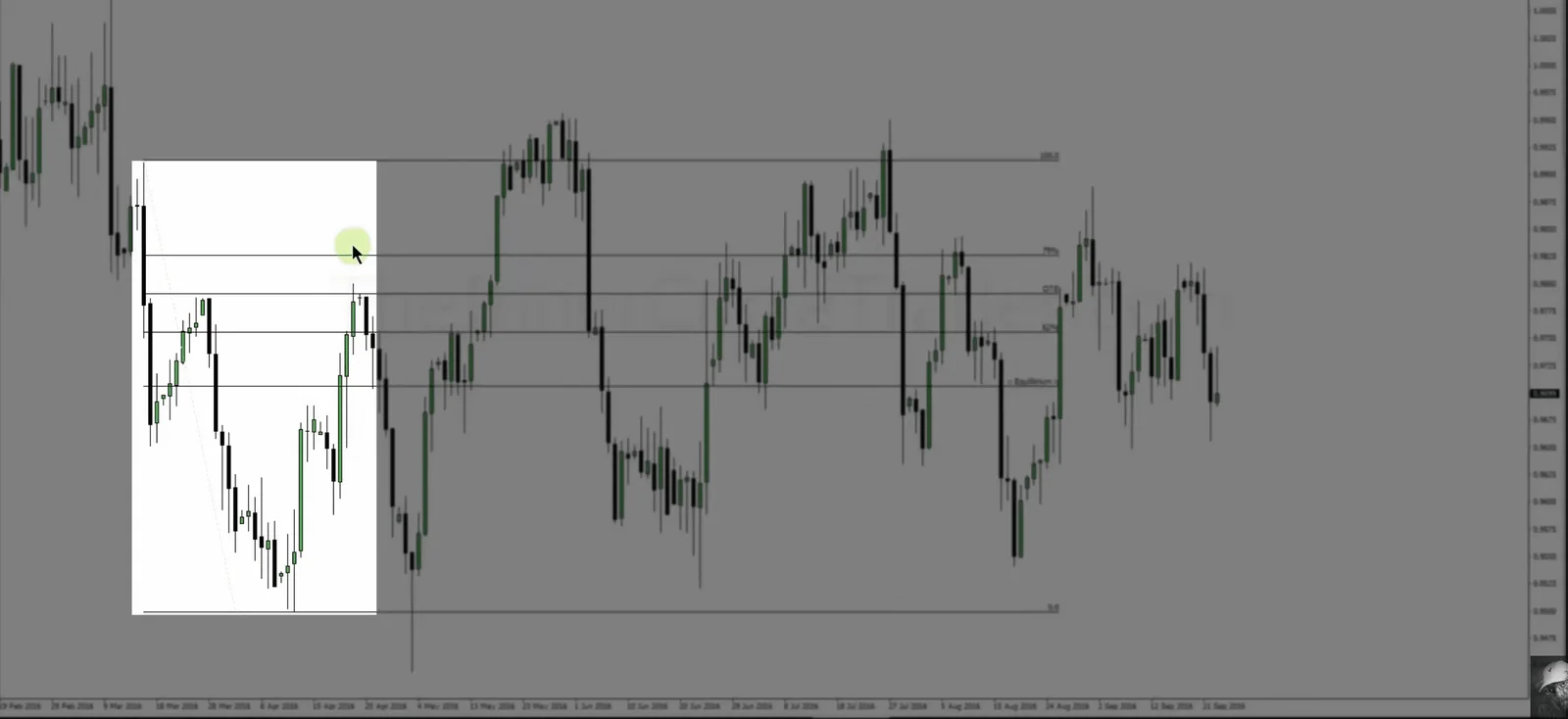
When prices move above the middle (above 50%), they enter premium territory. The higher they go, the more “premium” they become.
The Sweet Spot: 62% to 79% Zone
Professional traders don’t just sell anywhere in premium territory. They wait for the best spot – between 62% and 79% of the range.
Here’s why this zone is special:
- Prices are high enough to be considered premium
- But not so high that they’re likely to keep going up
- This creates the best odds for a successful sell trade
How to Trade Premium Markets
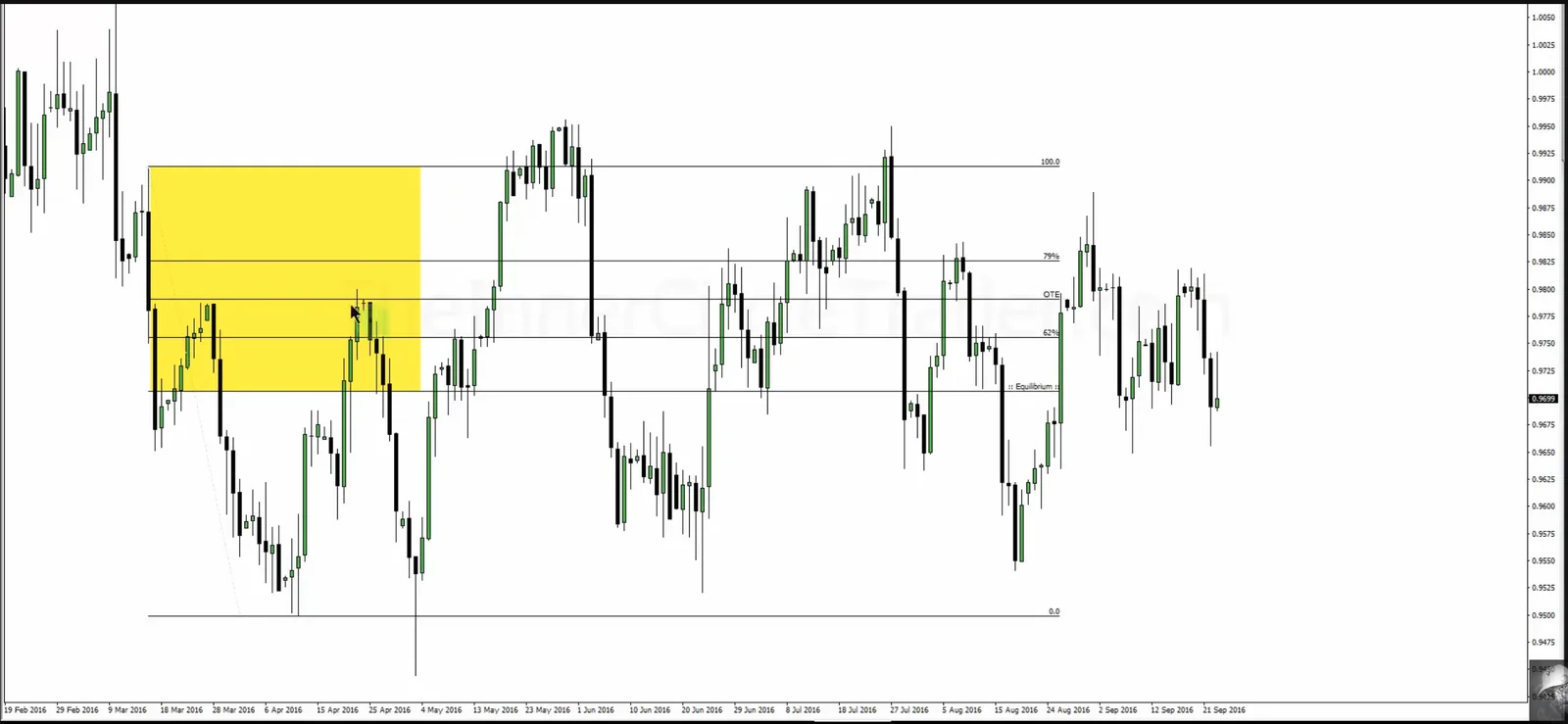
The Setup:
- Wait for price to cross above 50% (entering premium)
- Look for price to reach 62-79% zone (the sweet spot)
- Sell short when price hits this zone
- Take profits below previous low points
Example Trade:
- Range: High at 100, Low at 95
- Middle (50%): 97.50
- Sweet spot (62-79%): 98.10 to 98.95
- When price hits 98.50, you sell
- Take profits below 95 (the previous low)
Why This Works
Premium trading works because:
- Smart money sells at high prices (just like you’d sell your car when it’s worth the most)
- Retail traders often buy at high prices (providing buyers for your sell orders)
- Markets tend to return to balance (what goes up usually comes down)
Key Rules to Remember
- Only sell in premium territory (above 50% of the range)
- Wait for the 62-79% zone for the best odds
- Take profits below previous lows (don’t be greedy)
- If price keeps going up past 79%, it might be reaching for stops above old highs
Common Mistakes to Avoid
- Don’t sell at 50% – This is just equilibrium, not premium
- Don’t chase price – Wait for it to come to your zone
- Don’t hold too long – Take profits when you hit your target
- Don’t ignore the range – Always define your high and low first
Practice Makes Perfect
Start by:
- Looking at charts and identifying clear ranges
- Marking the 50% level on each range
- Highlighting the 62-79% zone where you’d sell
- Noting where previous lows are for profit targets
Final Thoughts
Premium trading is about patience and timing. You’re waiting for the market to come to you at high prices, then selling to traders who are buying at the worst possible time.
Remember: Just like selling your car, you want to sell when prices are high (premium), not when they’re low (discount). This simple concept, when applied correctly, can lead to consistent trading profits.
The key is practice and patience. Start small, learn the patterns, and always remember – in premium markets, you’re the seller, not the buyer.
Disclaimer: Trading involves substantial risk and is not suitable for all investors. Past performance does not guarantee future results. This content is for educational purposes only and should not be considered financial advice. Always consult with a qualified financial advisor before making trading decisions.
Keep reading